

How to Choose Tile and Materials for Your Oakville Bathroom
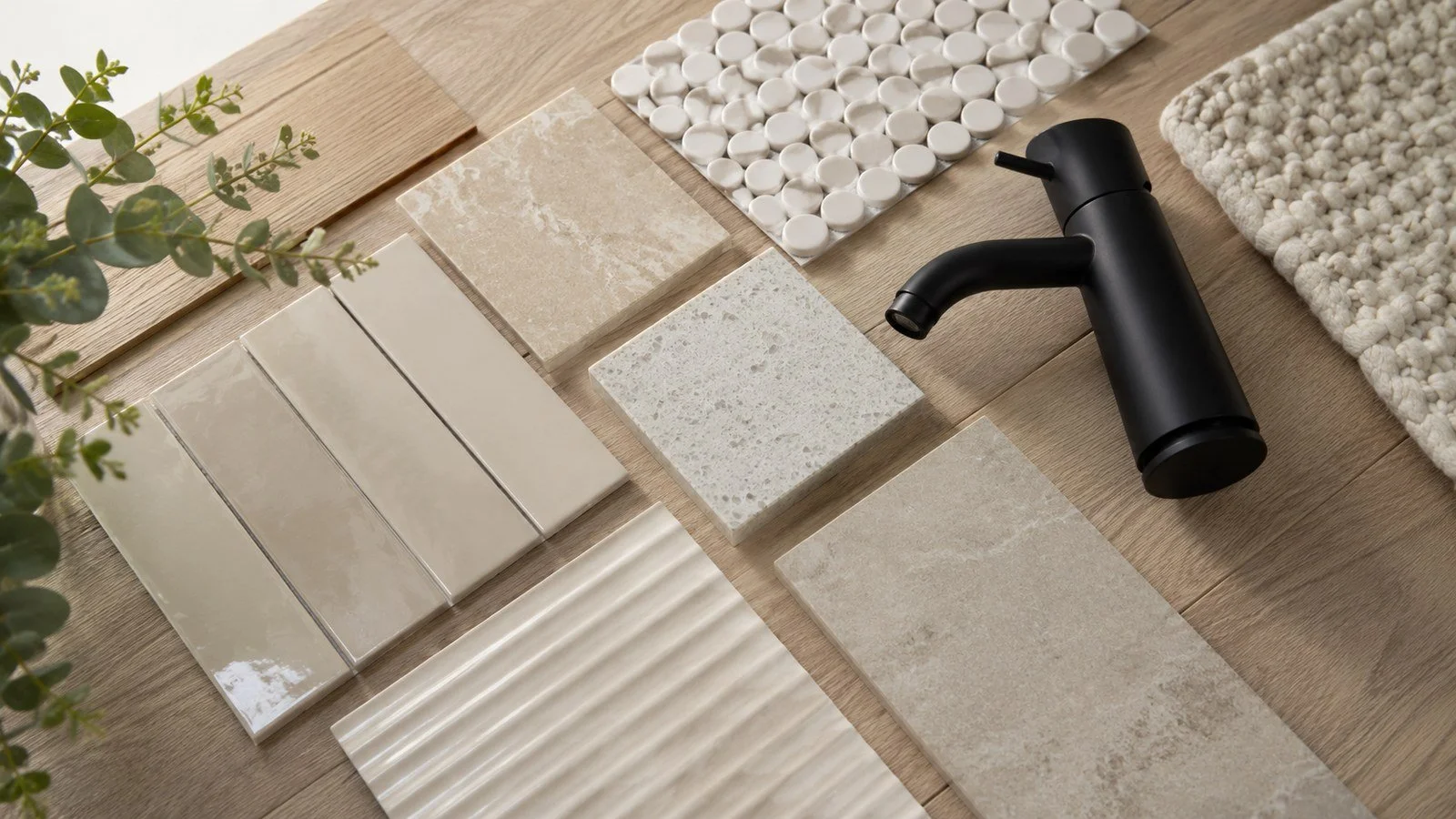
Tile and materials decide how a bathroom looks, how it holds up, and how safe it feels underfoot. In an Oakville bathroom, where moisture is a daily fact of life, the right choices last for years and the wrong ones show wear fast. The good news is that a few clear principles make the decisions far easier.
Here is how to choose tile, surfaces, and fixtures that suit your space and stand the test of time.
Start with where the material is going
The same tile is not right for every surface. Floors, walls, and wet areas each ask for something different, so match the material to the job.
Floors need grip and durability
Bathroom floors get wet, so slip resistance matters. Look for tile with a higher slip rating and a texture that holds traction when damp. Porcelain is a popular floor choice because it is dense, hard-wearing, and handles moisture well.
Walls can favour looks
Walls take less abuse than floors, so you have more freedom. Larger format tile means fewer grout lines and a cleaner look, while smaller tile and mosaics add texture and detail.
Porcelain, ceramic, and natural stone compared
| Material | Strengths | Worth knowing |
|---|---|---|
| Porcelain | Dense, durable, low water absorption | Great all-rounder for floors and wet areas |
| Ceramic | Versatile, easy to work with | Best on walls and lighter-traffic areas |
| Natural stone | Distinctive, high-end look | Needs sealing and more upkeep |
Flooring choices follow similar logic across the home. Our flooring guide is a useful companion when you are weighing durability against style.
Do not forget what sits behind the tile
The finish people see is only as good as the waterproofing they do not. Tile is not waterproof on its own, and grout lets moisture through over time. A proper waterproof membrane behind and beneath the tile is what keeps water out of the walls and subfloor. This is the step that quietly protects the whole renovation, and it is central to our waterproofing work.
Choosing surfaces and fixtures that work together
Countertops and vanities
Quartz is a popular vanity-top choice because it resists moisture and stains and needs little maintenance. Pair the vanity finish with the tile and fixtures so the room reads as one design rather than a set of separate decisions.
Fixtures and finishes
Faucets, hardware, and lighting tie the look together. Keeping metal finishes consistent across the room is a simple way to make a bathroom feel considered. For smaller bathrooms, the right materials can also make the space feel larger, as our small bathroom ideas piece shows.
A simple way to decide
Choose floors for grip and durability first, then walls for style, then surfaces and fixtures that share a consistent finish. Confirm the waterproofing plan before any tile goes up. Done in that order, the choices line up and the bathroom lasts. See how we guide these decisions on our Oakville bathroom renovation page.
Not sure which materials suit your Oakville bathroom? Peace of Mind Interiors can help you choose finishes that look right and hold up. Start a consultation.
Frequently asked questions
What is the best tile for a bathroom floor?
Porcelain is a popular choice because it is dense, durable, and handles moisture well. For floors, prioritise slip resistance and a texture that holds traction when wet.
Is porcelain or ceramic better for bathrooms?
Porcelain is denser and absorbs less water, which suits floors and wet areas. Ceramic is versatile and works well on walls and lighter-traffic surfaces.
Does natural stone work in a bathroom?
It can look beautiful, but most natural stone needs sealing and more ongoing care to handle bathroom moisture. Factor maintenance into the decision.
Is tile waterproof on its own?
No. Tile and grout let moisture through over time. A waterproof membrane behind and beneath the tile is what actually keeps water out of the structure.
How do I make my bathroom materials look cohesive?
Keep metal finishes consistent, coordinate the vanity with the tile, and limit the palette. A consistent finish across fixtures pulls the whole room together.