

What Happens During Mold Remediation in an Oakville Home?
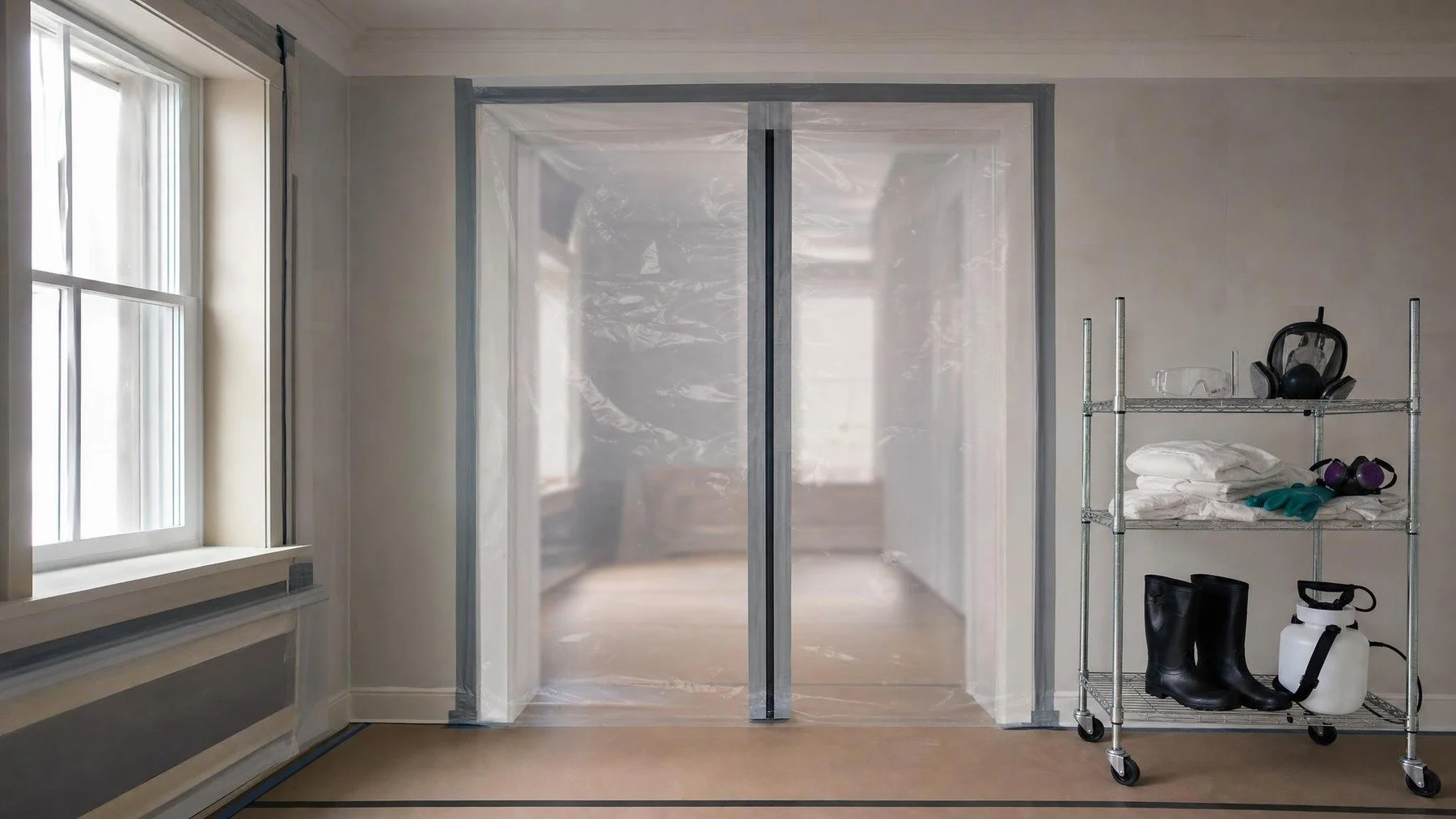
Remediation and rebuilding are separate phases. Finishes should return only after the moisture source and affected materials have been addressed.
mold remediation starts with a direct answer. A sound remediation process identifies and stops the moisture source, contains the affected area, removes or cleans materials as appropriate, dries the space, and verifies conditions before finishes return. We apply that answer to the measured home and the next trade decision.
A homeowner in Oakville removes baseboard after a leak and finds staining on the drywall. The immediate question is often how quickly the wall can be closed again. The better question is what caused the moisture, how far the affected area extends, and what evidence will show that reconstruction can begin responsibly.
A sound mold remediation process identifies and stops the moisture source, contains the affected area, removes or cleans materials as appropriate, dries the space, and verifies conditions before finishes return. The exact method depends on the site. This guide explains the decisions that connect remediation to the renovation restart.
First establish what is wet and why
Mold needs moisture. Health Canada’s current household mold guidance tells homeowners to fix moisture problems and clean existing mold promptly. That order matters. Removing a stained finish without correcting a leak, drainage issue, high humidity, or ventilation problem leaves the cause in place.
The first review should document visible staining, odour, recent water events, plumbing and exterior conditions, and moisture readings where appropriate. Hidden conditions may require selective opening or specialist assessment. A visual observation can guide the next step, but it should not be presented as a medical diagnosis or a guarantee about concealed areas.
Define the work area and protect the rest of the home
Containment is intended to separate the active work from clean areas while affected materials are disturbed and removed. The setup should reflect the size, location, access, and material condition found on site. It can include barriers, controlled entry, protected travel paths, and suitable air management chosen by the remediation professional.
Before work starts, agree on what rooms and materials are included, how furniture and belongings will be handled, where debris will leave the home, and what areas remain available to the household. A renovation quote is not useful unless the scope and allowances are clear.
Remove or clean materials according to condition
Some hard surfaces may be suitable for cleaning. Porous materials can require removal when growth or damage has reached them. The correct decision depends on material type, extent, accessibility, and the professional assessment. Avoid promises that one product or one treatment suits every house.
Health Canada notes that homeowners should consider professional help for large growth or mold that returns after cleaning. Its guidance also stresses correcting the underlying cause. Peace of Mind Interiors’ mold remediation service can be reviewed with the home’s wider repair and renovation needs.
Dry the assembly before reconstruction
A clean looking cavity can still hold moisture. Drying needs to address framing, sheathing, subfloor, insulation zones, and adjacent materials involved in the event. The team should identify the target conditions and the method used to record them before new insulation, drywall, flooring, cabinetry, or trim hides the assembly.
The moisture source may also lead to related work. Review basement waterproofing options when water is entering below grade, and connect the repair to the basement renovation plan when finished space has been opened.
Set a clear handoff from remediation to renovation
The remediation completion record should match the original scope. Ask what areas were treated, what materials were removed, what source repair was completed, what drying observations were recorded, and whether any follow up review was part of the agreed work. Keep photographs and reports with the renovation file.
Only then should the rebuild team confirm insulation, wall assembly, ventilation, flooring, cabinetry, paint, and trim. If the moisture cause is unresolved or the completion evidence does not match the scope, the responsible decision is to keep the area open and clarify the gap.
Keep the remediation handoff evidence
- Photographs of the affected area before removal and after cleaning.
- The identified moisture source and the repair used to stop it.
- Materials removed, materials retained, and drying observations for the opened assembly.
- The agreed completion review before insulation, drywall, flooring, or trim returns.
Restart the renovation from documented conditions
Remediation is not complete because a stain has disappeared. The renovation can move forward when the source, affected materials, drying, and agreed verification have been addressed in a clear sequence.