

What Does an Interior Designer Do During a Renovation?
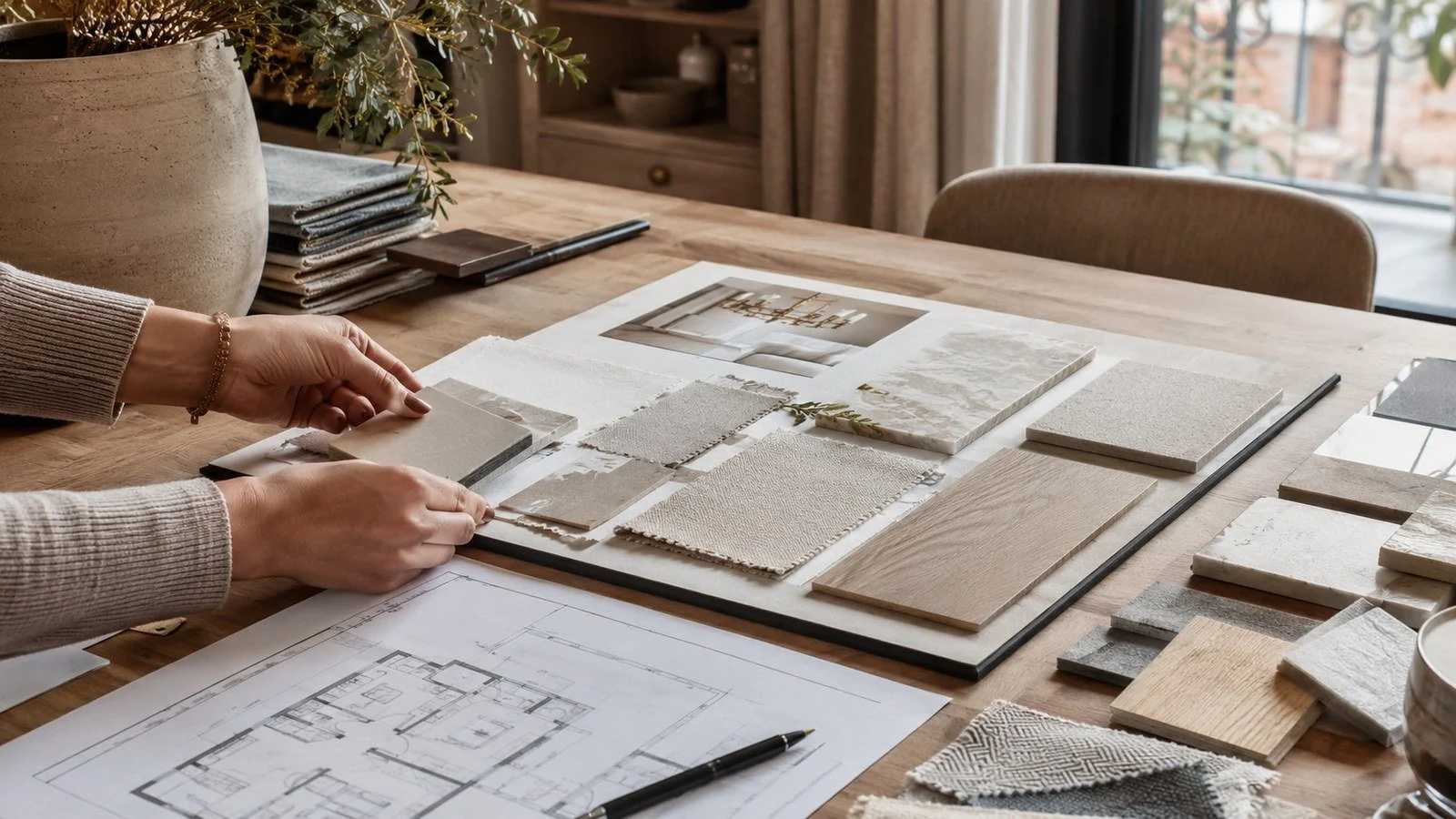
People often picture an interior designer as the person who picks the paint colour at the end of a project. During a renovation, the role is much bigger and starts much earlier. A good designer shapes how a space works before a single wall moves, then keeps the look and the function aligned all the way to the finish.
If you are planning an Oakville renovation, here is what an interior designer actually does, and when bringing one in pays off.
Planning and space planning come first
The earliest and most valuable work is figuring out how the space should function. A designer studies how you live in the home, then plans the layout around it before construction decisions get locked in.
Reading the space
Sight lines, traffic flow, natural light, and storage all get mapped out. This is where a kitchen island lands in the right spot, or a hallway stops feeling tight, because the plan was thought through on paper first.
Catching problems early
Layout issues are cheap to fix in a drawing and expensive to fix in framing. Early design work is one of the best ways to avoid mid-project change orders.
Turning ideas into a buildable plan
A designer translates a wish list into something a contractor can actually build to. That means drawings, elevations, and a clear schedule of finishes so everyone is working from the same plan.
Materials, finishes, and cohesion
Flooring, tile, cabinetry, hardware, lighting, and paint all need to work together across rooms. The designer keeps those choices consistent so the finished home feels considered rather than assembled piece by piece.
Coordinating the look with the construction
During the build, design decisions and construction realities have to stay in sync. A designer keeps selections on track, answers the small questions that come up daily, and makes sure the finished result matches the plan you signed off on. On a whole-home project this coordination is what keeps rooms feeling like one home. Our interior renovation work is built around that kind of start-to-finish planning.
When it makes sense to involve a designer
Not every project needs a dedicated designer, but several situations strongly benefit from one.
Bigger or multi-room renovations
The more rooms involved, the more value there is in a single plan tying them together. A kitchen renovation that opens into living space is a common example.
Layout changes or tricky spaces
If you are moving walls, reworking flow, or dealing with an awkward floor plan, design input early prevents costly missteps.
For a wider view of how to organize the whole process, our home renovation planning guide is a useful companion read.
Planning an Oakville renovation and not sure where design fits? Peace of Mind Interiors brings planning and design together from day one. Start a conversation.
Frequently asked questions
What does an interior designer do during a renovation?
They plan how the space should function, turn your ideas into buildable drawings and finish selections, and keep the design aligned with the construction from start to finish.
When should I involve an interior designer?
The earlier the better, ideally during planning and before construction decisions are locked in. Early input is where layout problems get solved cheaply.
Is an interior designer the same as a decorator?
No. Decorating focuses on the finishing layer such as furniture and styling. Design during a renovation includes space planning, layout, and how the space is built.
Do I need a designer for a small renovation?
Not always. Single-room cosmetic projects can often proceed without one. Multi-room work or layout changes benefit most from design input.
Does design help keep a renovation on budget?
It can. A clear plan reduces mid-project changes, which are one of the most common sources of unexpected cost.